THE BIG DROP // FIFA WC26
BY BUDWEISER
CHALLENGE
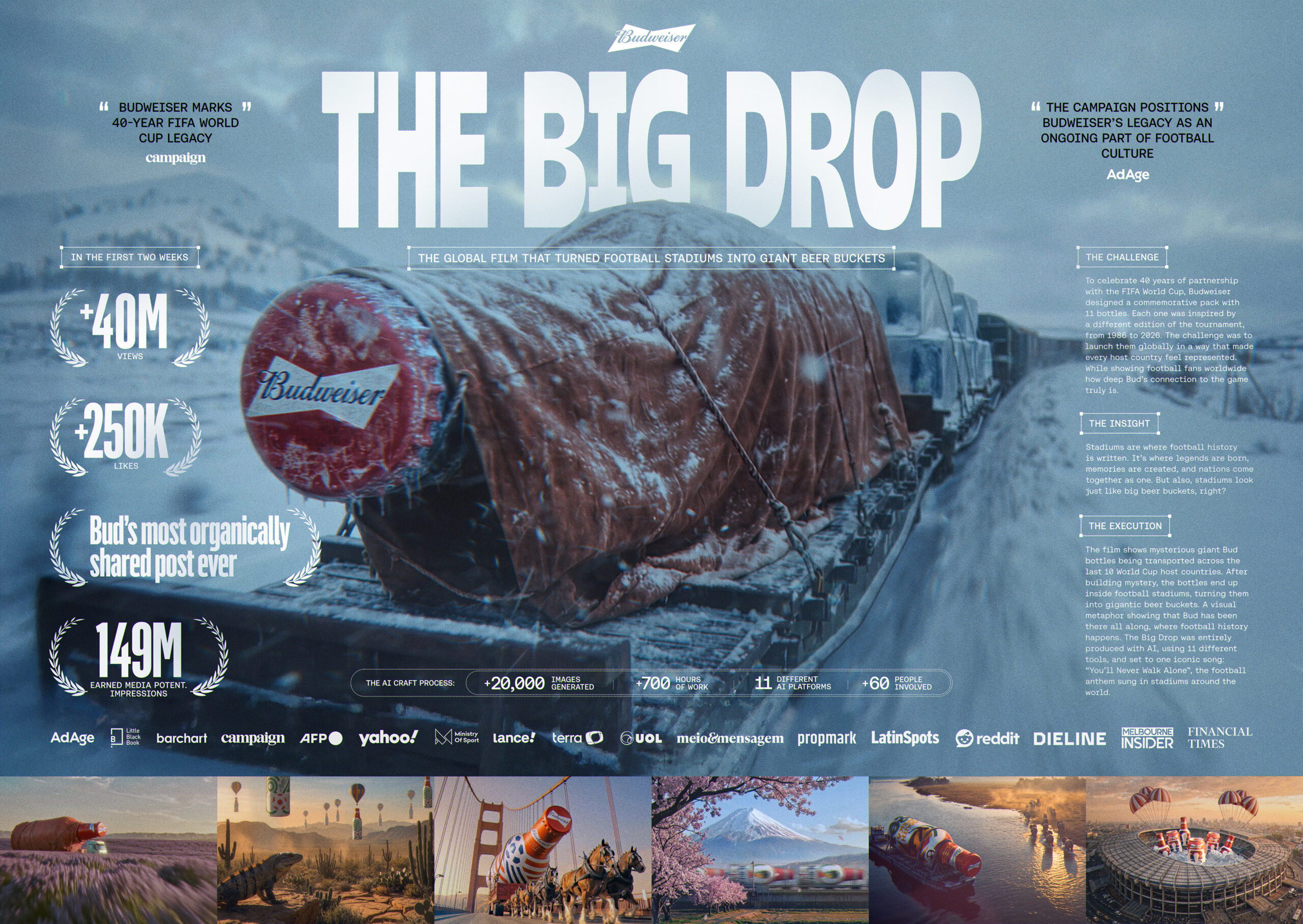
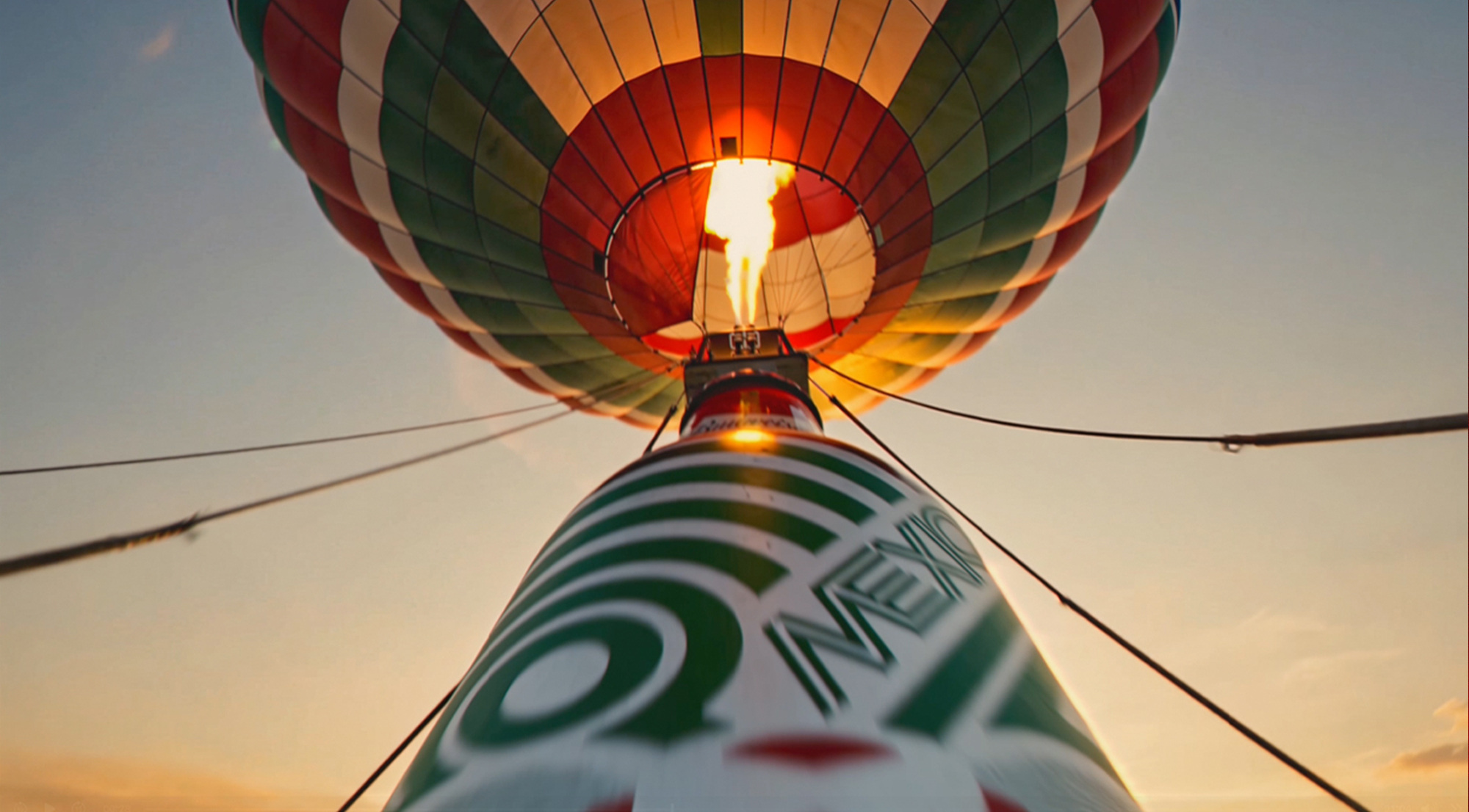
To celebrate 40 years of partnership with the FIFA World Cup, Budweiser designed a commemorative pack with 11 bottles. Each one was inspired by a different edition of the tournament, from 1986 to 2026. The challenge was to launch them globally in a way that made every host country feel represented. While showing football fans worldwide how deep Bud’s connection to the game truly is.
INSIGHT
Stadiums are where football history is written. It’s where legends are born, memories are created, and nations come together as one. But also, stadiums look just like big beer buckets, right?
IDEA
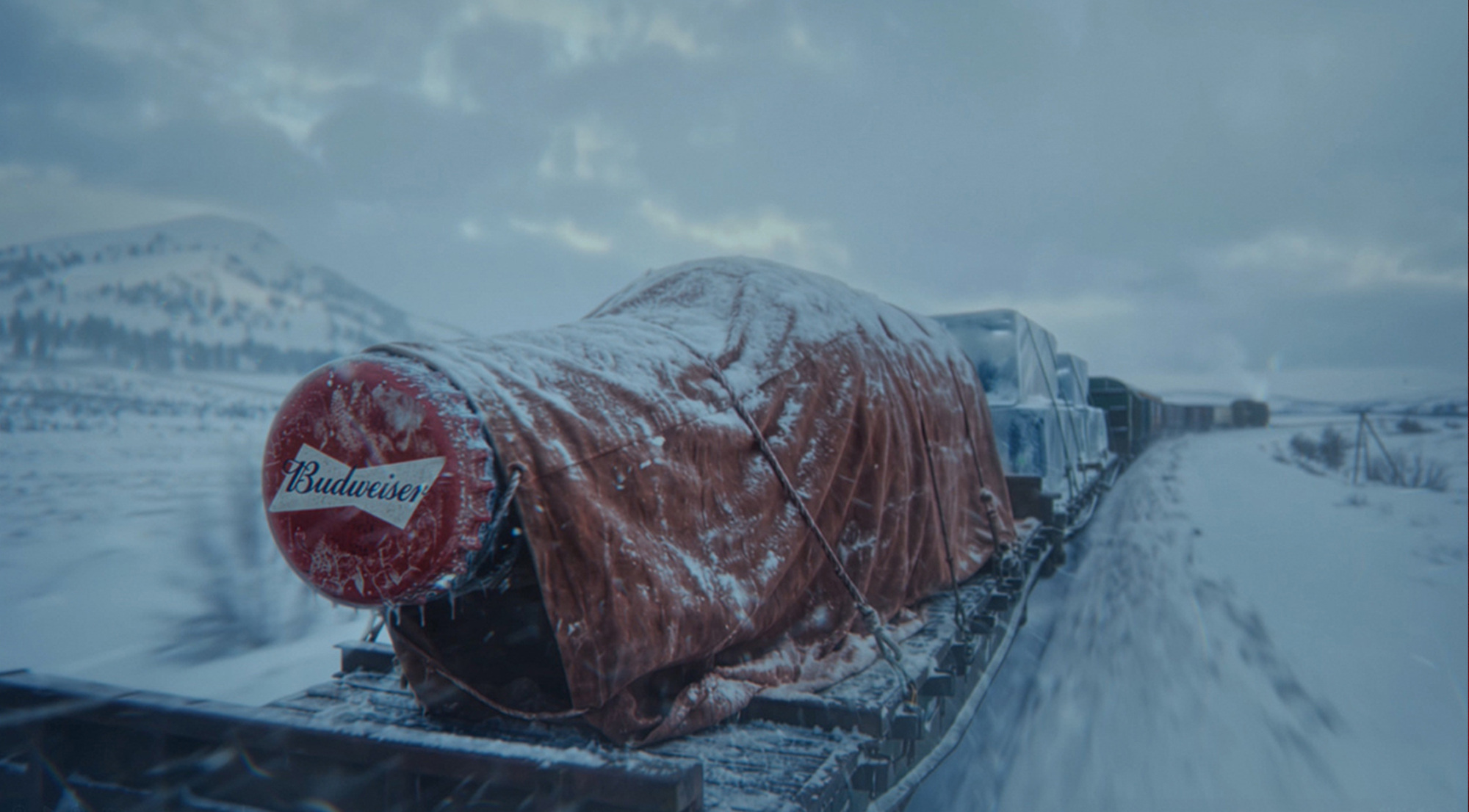
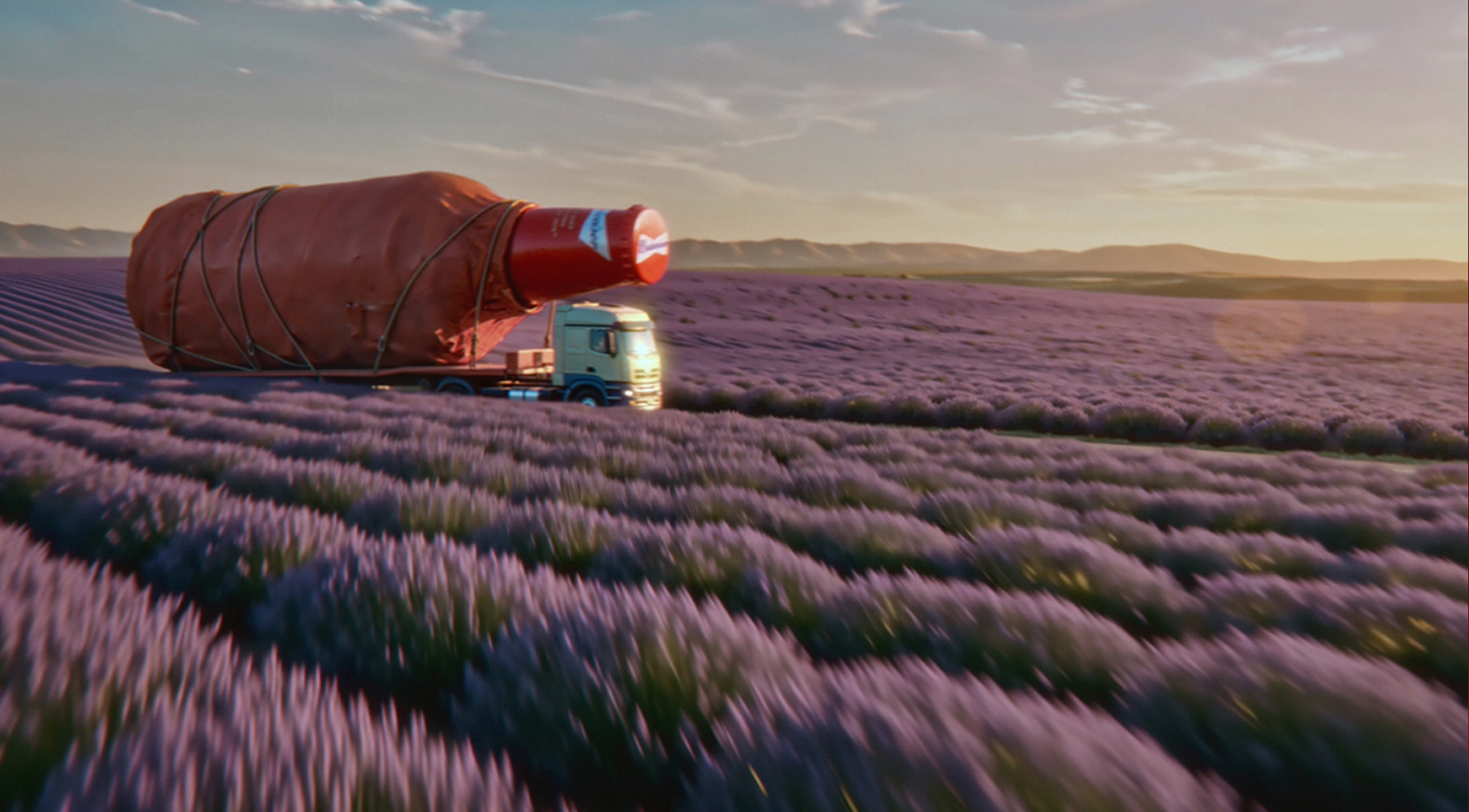
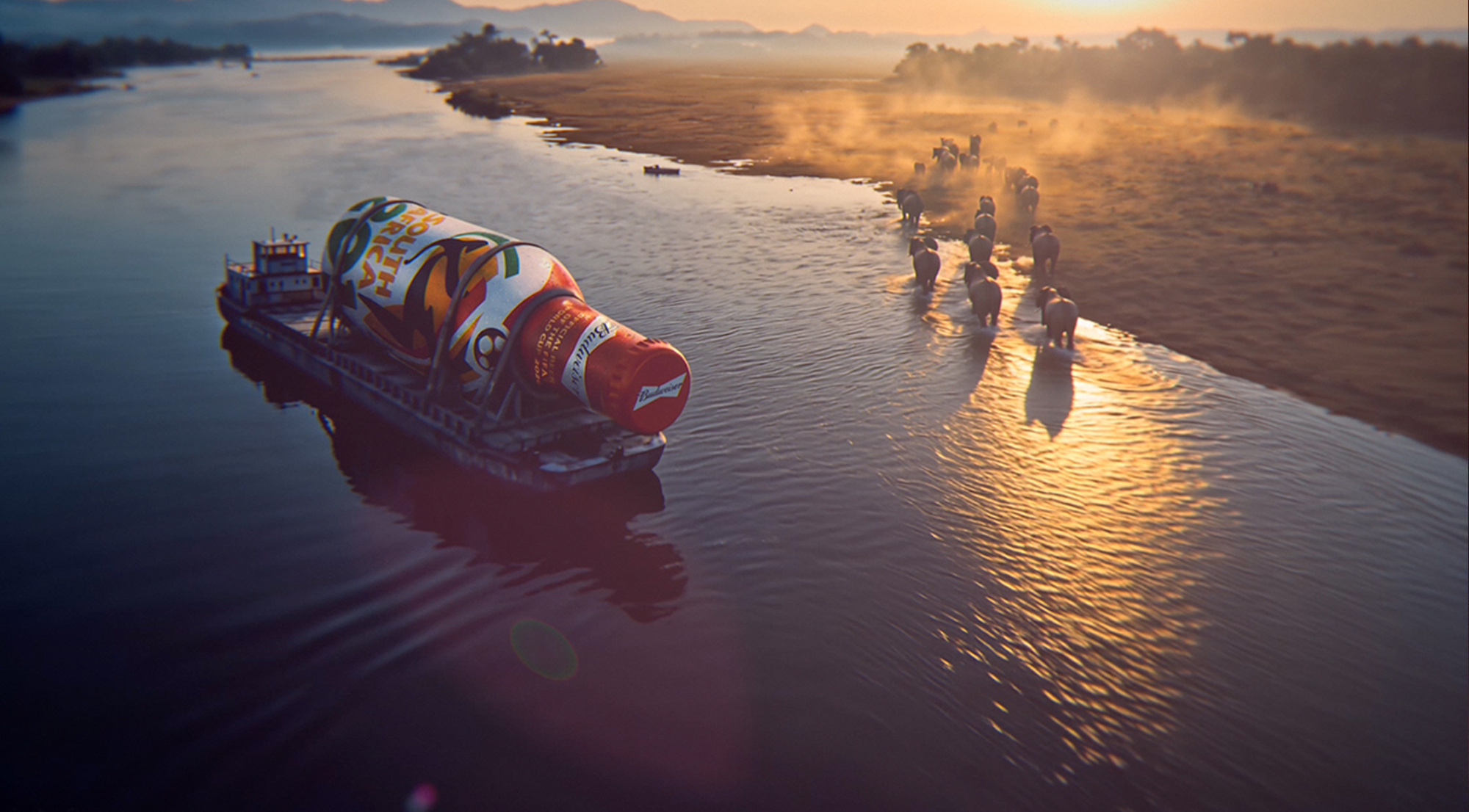
The film shows mysterious giant Bud bottles being transported across the last 10 World Cup host countries. After building mystery, the bottles end up inside football stadiums, turning them into gigantic beer buckets. A visual metaphor showing that Bud has been there all along, where football history happens.
The Big Drop was entirely produced with AI, using 11 different tools, and set to one iconic song: “You’ll Never Walk Alone”, the football anthem sung in stadiums around the world.
PEOPLE
CCO: Sergio Gordilho, Nicholas Bergantin.
ECD: Rafael Freire.
CD: Felipe Miskulin, Raphaela Filippetto, Lucas Menegotto.
ACD: Fernando Rihan.
AD: Maicon Gomes, Luiz Almeida, Robson Barreto.
CW: Lucas Alcorta, Victor Pupo.
A film generated by AI, but crafted
by humans.
When we think about an AI-generated film, we imagine one person writing prompts and getting it done in minutes. Well, producing The Big Drop was the opposite.
Before AI entered the process, humans were already working on it. With the script in hand, we brought in a director to craft a treatment for the film, including storyboard, framework, and camera movements for each scene. This became the foundation for the AI prompts.
Then, we spent weeks crafting the images, testing and refining prompts across different AI tools to make every bottle, vehicle, and landscape look real.
As the images came together, another team began animating them. But simply making them move wasn’t enough. They had to feel cinematic, realistic, impactful, and visually consistent across scenes, from bottle scale to movement continuity. This required another set of AI tools, and more prompt testing and refinement, as a prompt that works for one scene doesn’t always work for the next.
And since just assembling scenes doesn’t make a film, we brought in an editor to craft it, shaping rhythm, timing, and flow.
To get to the film’s final 54 scenes, we used 11 AI tools and generated over 20,000 images, the equivalent of shooting 370 takes per scene.
20,000+ images generated
700+ hours of work
11 AI platforms
60+ people involved